
Equinoxes and solstices: The influence of the seasons on artificial lighting
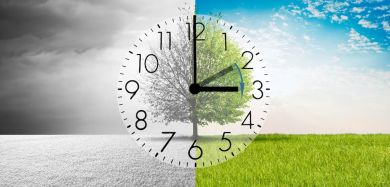
Equinoxes and solstices: The influence of the seasons on artificial lighting
We're just a few days away from the winter solstice, which takes place around 21-22 December and marks the longest night of the year in the northern hemisphere. This is a time of year when natural light is scarcer, leading to an increase in the use of artificial lighting. Understanding how the solstices and equinoxes affect the distribution of light throughout the year can help us optimise energy use and improve our relationship with artificial lighting.
Astronomical cycles and the distribution of natural light
The Earth orbits the Sun in an elliptical motion and is tilted at an angle of about 23.5° to its axis. This tilt is the reason why different parts of the planet receive different amounts of sunlight throughout the year, resulting in the equinoxes and solstices.
-
Equinoxes (Spring and Autumn): They occur around 20-21 March and 22-23 September, when the sun is exactly at the equator. On these days, day and night are about the same length all over the planet.
-
Summer Solstice: Around 20-21 June is the longest day of the year in the northern hemisphere and the shortest in the southern hemisphere.
-
Winter Solstice: Around 21-22 December, the opposite occurs, with the longest night of the year in the northern hemisphere and the shortest day in the southern hemisphere.
These astronomical events have a significant impact on artificial lighting patterns in urban, commercial and residential environments.

The influence of the equinoxes and solstices on artificial lighting
The balance between natural and artificial light has a direct impact on energy consumption and people's quality of life. During the summer months, the longer days make it possible to reduce the use of artificial lighting. However, prolonged exposure to light at the end of the day can affect sleep patterns, especially in urban environments where artificial light is still present at night. Studies show that excessive use of artificial light, especially blue light emitted by electronic devices, can delay the production of melatonin, a hormone essential for sleep.
On the other hand, in winter, artificial lighting becomes essential to maintain productivity and well-being, especially in high-latitude regions where days are extremely short. Studies such as the one published in the Journal of Circadian Rhythms show that prolonged exposure to darkness can affect melatonin production and mood, increasing the need for efficient and adaptive lighting.
The role of technology in lighting adaptation
As technology advances, artificial lighting systems are becoming smarter and more efficient. Natural light sensors, automatic dimming and luminaires with colour temperature control are solutions that help optimise energy consumption and improve user comfort.
Companies and architects have invested in dynamic lighting solutions that mimic natural light and automatically adjust to the time of day, promoting a healthier and more productive environment.
Conclusion
The equinoxes and solstices play a fundamental role in the way we design and use artificial lighting. Understanding these seasonal changes allows us to optimise energy consumption, reduce environmental impact and improve human well-being. Investing in adaptable lighting solutions is an essential step in balancing comfort, productivity and sustainability in our daily lives.